

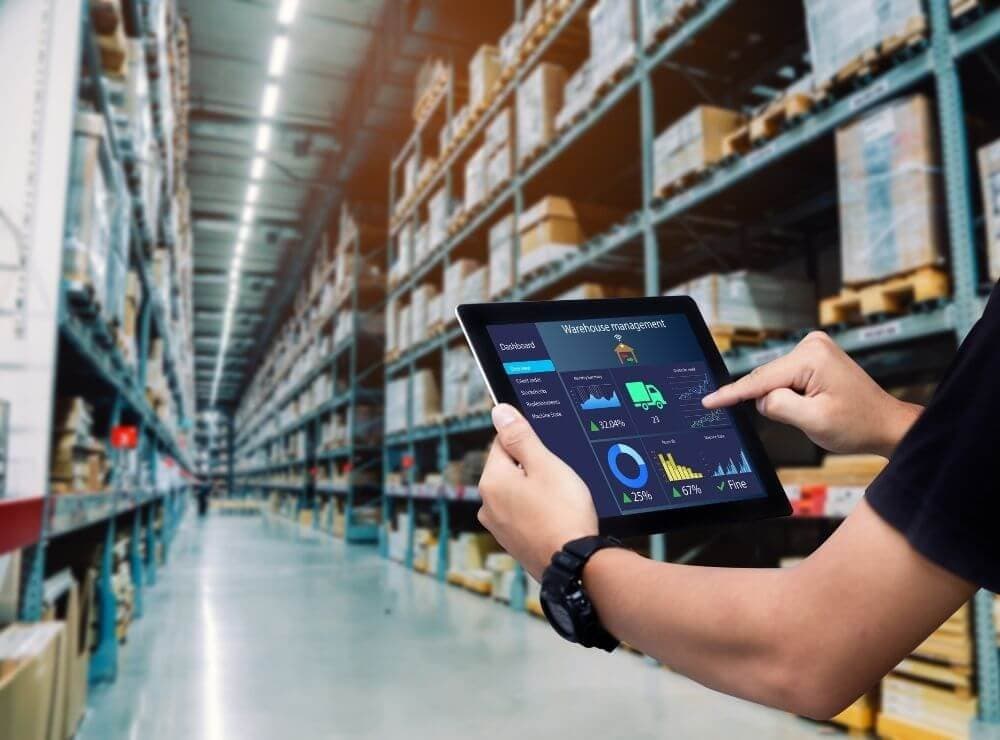
Automating Fulfillment Processes: Making Operations More Efficient and Streamlined
The automation of fulfillment processes has become a real game-changer in recent years, especially in e-commerce. With constantly rising customer expectations and fierce competition, efficiency is more important than ever. In this article, you'll learn how automation can help you work faster, more cost-effectively, and with fewer errors – and which technologies are particularly useful.
TL;DR: Fulfillment automation reduces error rates by up to 67% and speeds up order processing by 5x. This article covers which technologies deliver real ROI, what they cost, and how to implement them step by step.
What Does Fulfillment Actually Mean?
Fulfillment encompasses all the steps that happen from the moment an order is placed until the product reaches your customer. This includes storage, picking, packing, and shipping. In short: fulfillment is the entire process that gets your product from A to B.
Why Is It Worth Automating Fulfillment?
Automation ensures that these steps run faster, more efficiently, and most importantly, with fewer errors. Warehouses that adopt automation typically see a 25% to 40% reduction in operational costs. In a time when customers expect fast and reliable deliveries, this is a real competitive advantage. Companies that invest in automation can meet these expectations much better.
Automation in the Supply Chain: The Key to Greater Efficiency
More Speed, Less Effort
Automated systems like warehouse robots or automatic sorting systems take over many manual tasks. This makes everything faster and more precise. Companies using robotic picking systems report up to 5x faster order processing compared to manual methods. The result? Fewer warehouse movements, shorter processing times, and hardly any errors.
Save Costs and Scale Flexibly
Of course, automation requires an initial investment. But it pays off quickly because it reduces costs in the long run. At IJONIS, we regularly see e-commerce companies reduce their fulfillment costs by 20–30% within just a few months through targeted automation. Additionally, automation allows you to respond much more flexibly to growing demand without having to hire additional staff.
"Companies that still handle fulfillment manually aren't just losing time — they're losing margin. Supply chain automation isn't an IT project, it's a business decision." — Jamin Mahmood-Wiebe, Founder of IJONIS
Which Technologies Make the Biggest Difference?
Robots in the Warehouse
Many warehouses now use robots that help transport products and prepare them for shipping. These machines, like Amazon's robots, do this incredibly fast and carry heavy loads as if it were nothing.
Automated Storage Systems
With solutions like Autostore, enormous quantities of products can be stored efficiently and retrieved faster. Such systems save space and time by utilizing vertical storage.
Pick-and-Pack Systems
These systems scan barcodes or RFID tags and automatically pick orders. Then they pack the products safely and efficiently. This dramatically increases speed and accuracy.
What Are the Key Benefits of Automation in Fulfillment?
Faster and More Accurate
Automated systems can process orders in a fraction of the time that manual processes would require. This means faster delivery times and happier customers.
Fewer Errors
When machines do the job, there are fewer errors in picking and packing. Automated pick-and-pack systems can reduce error rates by up to 67% compared to manual fulfillment. Fewer errors mean fewer returns -- and that in turn means happier customers.
How to Implement Fulfillment Automation
Analysis Is the First Step
Before you start with automation, it's important to take a close look at your current processes. This way, you can find out where automation can make the biggest difference.
Choosing the Right Technology
There are many different automation solutions. On the AI side, our pre-built AI agents for business come with transparent pricing from EUR 1,500 setup, which makes it easy to start without a custom build. Which one is right for you depends on how big your company is, how many orders you process, and what your requirements are.
Integration with Existing Systems
Integration with your existing systems is often a challenge. New technologies must work seamlessly with your existing IT and logistics systems to avoid any downtime.
What Are the Challenges of Fulfillment Automation?
High Initial Costs
Automation typically requires significant investments – especially at the beginning. For smaller companies, this can be a hurdle, but the long-term benefits often outweigh these costs.
Technical Know-How
Automated systems require maintenance and technical expertise. You need to ensure you have the necessary resources to operate and maintain these systems.
Employee Involvement
Sometimes employees see automation as a threat to their jobs. Therefore, it's important to involve them from the start and show them how automation can make their lives easier.
How AI and Machine Learning Improve Fulfillment Processes
"The exciting part about AI in fulfillment isn't the warehouse robot — it's the ability to predict demand and proactively manage inventory before bottlenecks even form." — Jamin Mahmood-Wiebe, Founder of IJONIS
Optimized Warehouse Processes
AI-based systems can analyze in real-time and suggest how warehouse movements can be made more efficient. This ensures that orders are processed faster and with less effort.
Forecasts for Better Inventory
With the help of machine learning, order patterns can be analyzed and future trends predicted. This helps avoid bottlenecks and optimally manage inventory.
Last-Mile Automation: A Look into the Future
Drones and Autonomous Vehicles
The so-called "last mile," meaning the delivery to the end customer, is often the biggest challenge. Here, drones and autonomous delivery vehicles offer an exciting solution to make deliveries faster and more efficient.
Optimizing Costs
With automated systems, companies can significantly reduce last-mile costs. Especially with high shipping volumes, this is a major advantage.
Frequently Asked Questions About Fulfillment Process Automation
- What are the most important technologies? Robots, automated storage systems, and pick-and-pack systems are at the forefront.
- Is automation expensive? Yes, the investments are high, but in the long run, they reduce costs and increase efficiency.
- Can automated systems reduce errors? Definitely! Especially in picking and packing, the error rate drops significantly.
- How does AI help in fulfillment? AI optimizes warehouse processes and helps better forecast orders.
- Is automation worthwhile for small businesses? Absolutely! Particularly for companies in Hamburg and northern Germany, there are scalable solutions suitable for small and medium-sized businesses.