

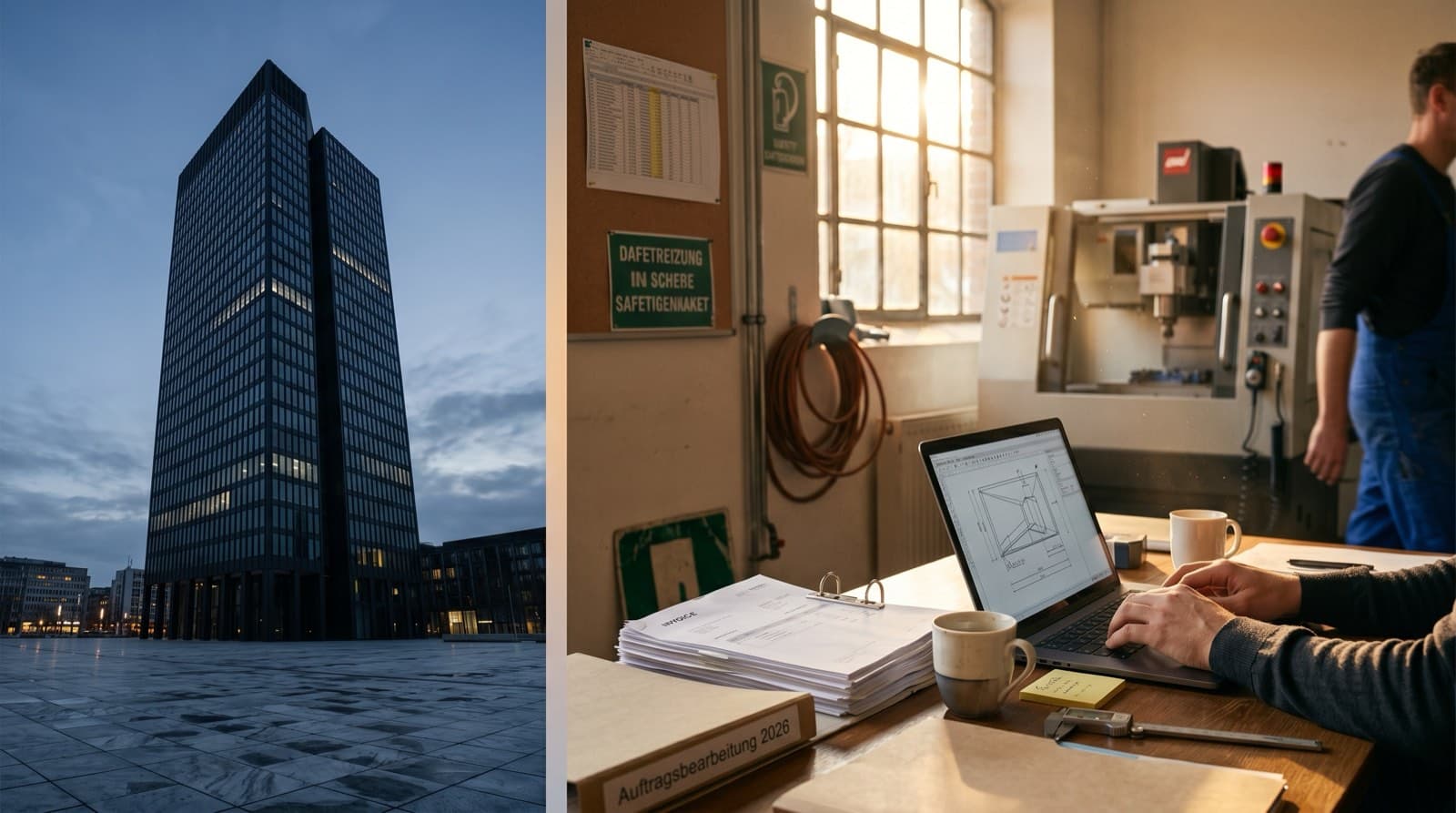
Warum gerade alle händeringend Forward Deployed Engineers suchen
Es gibt eine neue Rolle, die in den Stellenanzeigen der weltweit teuersten KI-Unternehmen ganz oben steht: Forward Deployed Engineer. Auf Deutsch grob: eingebetteter KI-Ingenieur. Wer ein Mal schaut, wer aktuell wen einstellt, sieht eine ungewöhnliche Liste: Foundation-Model-Labore neben Konzernberatungen, neben Großbanken, neben Software-Hyperscalern. Die Rolle ist innerhalb eines Jahres aus einer Palantir-Nische in den Mainstream gesprungen.
OpenAI sucht aktiv in München. Salesforce schreibt FDE-Rollen in München, Jena, Düsseldorf, Berlin, Mannheim und Frankfurt parallel aus. Anthropic, Palantir und Cohere hiren parallel weltweit. Die Boston Consulting Group (BCG) X stellt einen Forward Deployed AI Engineer in München ein. Im April 2026 haben Accenture und Microsoft eine gemeinsame FDE-Praxis gestartet. Die Wirtschaftsprüfung Ernst & Young (EY) United Kingdom (UK) und Ireland hat im selben Monat eigene FDE-Rollen ausgerollt.
In der deutschen Fachpresse zieht das Echo nach: Computerwoche nennt die FDE-Rolle „den neuesten Top-KI-Job", leadersnet schreibt von „sechsstelligen Gehältern für den Job der Stunde", und it-boltwise hat ein Stellenwachstum von 729 Prozent zwischen April 2025 und April 2026 gemessen.
Das ist keine Personalabteilungs-Kosmetik. Es ist ein stilles Eingeständnis: KI verkauft sich gut, sie kommt aber nicht in der echten Arbeit an. 88 Prozent der KI-Pilotprojekte schaffen den Sprung in die Produktion nicht (Branchenschätzung 2026). Der Grund ist selten das Modell. Der Grund ist, dass niemand vor Ort versteht, wie der Kunde tatsächlich arbeitet, und genau dort die KI einbaut.
"Im Mittelstand trägt das." — Jamin Mahmood-Wiebe, IJONIS Hamburg.
In diesem Beitrag erklärt sich, was ein Forward Deployed Engineer eigentlich macht, woher die Rolle stammt, warum sie gerade jetzt explodiert und warum der deutsche Mittelstand sie braucht, ohne sie selbst einstellen zu können.
Was ein Forward Deployed Engineer wirklich tut
Stell dir jemanden vor, der morgens nicht ins eigene Büro fährt, sondern in dein Unternehmen. Erst setzt sich diese Person neben deine Buchhaltung und schaut zu, wie 340 Rechnungen pro Woche per Hand geprüft werden. Dann folgt sie deinem Vertrieb durch ein Kundengespräch und sieht, wie das Angebot nach dem Termin in Excel landet. Eine Stunde beim Support reicht, um zu verstehen, warum die immer gleichen drei Fragen sechs verschiedene Werkzeuge brauchen.
Erst danach öffnet sie den Laptop und baut. Eine kleine Automatisierung an der Stelle, wo täglich eine Stunde verloren geht. Einen Agenten, der die immer gleichen drei Fragen beantwortet, bevor jemand das Ticket öffnet. Eine Schnittstelle zwischen dem Customer Relationship Management (CRM) System und der Buchhaltung, sodass das Angebot nicht mehr zweimal abgetippt werden muss.
Ein FDE ist also dreierlei in einer Person: jemand, die zuhören und Prozesse lesen kann; jemand, die selbst entwickelt und ausliefert; und jemand, die bleibt, bis es im Alltag funktioniert. Nicht Strategie. Nicht Prototyp. Tatsächlich laufende KI in echten Abläufen.
Woher der Begriff kommt: Palantir, OpenAI, Anthropic
Die Rolle ist nicht neu. Palantir hat sie vor mehr als zehn Jahren erfunden, weil sich herausgestellt hat, dass datenanalytische Software in Geheimdiensten und Konzernen nicht von außen verkauft werden kann. Jemand musste rein, die operative Realität sehen und das Produkt darauf zuschneiden.
OpenAI und Anthropic haben das Modell für die KI-Welle adaptiert. Große Sprachmodelle (Large Language Models) sind generische Werkzeuge. Wert entsteht erst, wenn jemand sie in eine konkrete Buchhaltung, eine konkrete Logistik, eine konkrete Personalabteilung hineinträgt. Die Foundation-Model-Unternehmen haben gemerkt, dass die Modelle alleine nicht reichen, und stellen seitdem Hunderte FDEs ein.
Sequoia hat dafür im April 2026 die These „Services are the new software" formuliert: KI-Agenten ersetzen vertikale Software, Unternehmen bezahlen für erledigte Arbeit, nicht mehr nur für Werkzeuge. Wer Arbeit liefert statt Werkzeuge, braucht Menschen, die vor Ort verstehen, was Arbeit ist. Das sind die FDEs.
Warum die Rolle gerade jetzt explodiert
Drei voneinander unabhängige Entwicklungen treffen 2026 aufeinander und machen aus dem Forward Deployed Engineer eine Kategorie, um die jedes große KI-Labor und jede große Beratung gerade rangelt. Jede einzelne wäre nicht genug; zusammen machen sie eingebettete Auslieferung zum einzigen Modell, das die Lücke zwischen KI-Fähigkeit und echter Wirkung in Workflows wirklich schließt.
Erstens: KI-Werkzeuge sind reif, aber unverstanden. Sprachmodelle, Agenten-Frameworks und Automatisierungswerkzeuge sind 2026 so gut, dass technisch fast alles möglich ist. Gleichzeitig hat fast kein Unternehmen Personal, das beurteilen kann, welcher Workflow überhaupt KI-tauglich ist. Die Lücke zwischen technisch möglich und betrieblich umgesetzt war noch nie so groß.
Zweitens: Software-Bauen ist billig geworden. Eine interne Anwendung, die 2024 noch sechsstellig kostete, entsteht 2026 in einem oder zwei Tagen. Der teure Engpass ist nicht mehr der Code. Es ist die Frage, was genau gebaut werden soll. Diese Frage beantwortet niemand aus dem Konferenzraum, sondern nur jemand, die zwei Wochen neben dem Team sitzt.
Drittens: Beratungen können die Lücke nicht mehr füllen. Klassische Beratung schreibt Strategiepapiere und übergibt an eine Implementierungsabteilung. Der Schritt zwischen Strategie und Code ist beim FDE-Modell aufgehoben, weil dieselbe Person beides macht. Accenture, EY und Microsoft haben das verstanden und ihre FDE-Praxen aufgebaut. Aber sie zielen auf Konzerne mit dreistelligen Millionenbudgets.
Das Mittelstand-Problem: Den Job brauchen, den Engineer nicht bekommen
Der deutsche Mittelstand ist genau der Markt, der diese Rolle am dringendsten braucht. Ein Maschinenbauer, ein Familienbetrieb, ein Logistiker mit 200 Mitarbeitenden hat 40 bis 60 Software-Werkzeuge im Einsatz, oft mit Excel als operativem Klebstoff. Genau die Realität, in die ein FDE reingehört.
Nur passiert das nicht. Die Gehälter erklären den Hauptgrund: ein mittlerer FDE bei einem Foundation-Model-Anbieter liegt bei 300.000 bis 450.000 US-Dollar Gesamtkompensation, Senior-Level über 500.000. Frankfurter Bankhäuser und DAX-Konzerne können da mitziehen. Mittelständler nicht.
Drei strukturelle Gründe verstärken das:
Vorteile
- FDE-Talente konzentrieren sich auf San Francisco, London, Berlin-Startups
- Konzernberatungen zielen auf Budgets ab 500.000 Euro aufwärts
- Mittelständler haben weder Personalbudget noch Markenstrahlung für eigene FDEs
Nachteile
- Gleichzeitig die größte Effizienzreserve: 1 Stunde pro Mitarbeitenden pro Tag
- Gleichzeitig die geringste Bereitschaft, ein neues Großprojekt zu starten
- Gleichzeitig der höchste Wettbewerbsdruck durch günstige internationale Anbieter
Das heißt: Genau die Unternehmen, bei denen ein FDE-Einsatz die höchste Wirkung hätte, kommen am schwersten an einen.
Ein paar deutsche Anbieter haben das Lücke erkannt. Pexon Consulting bietet FDE-Beratung als Amazon Web Services (AWS)- und Microsoft-Partner, zielt aber primär auf Banken, Industrie und Energie ab 300 Mitarbeitenden. Im SaaStr-Beitrag „Do FDEs work for SMBs?" wird die Frage offen gelassen, weil die klassische FDE-Rolle wirtschaftlich nicht für 200-Mitarbeitende-Betriebe gerechnet ist. Genau hier liegt die Lücke, die IJONIS schließt: FDE-Qualität, agentur-typisches Modell, Mittelstandsgröße.
Wie FDE-as-a-Service den Mittelstand erreicht
Die ehrliche Antwort ist: Der Job bleibt derselbe. Nur das Auslieferungsmodell ändert sich. Ein Mittelständler kann keine Silicon-Valley-Gehälter für einen eigenen FDE zahlen, und ein 200-Personen-Betrieb verkraftet auch keinen klassischen Großberatungsvertrag jenseits der halben Million. Was in dieser Größe funktioniert, ist ein kleines eingebettetes Team als Dienstleistung, in Mittelstandsbudget, mit festem Umfang und Enddatum.
Statt eines fest angestellten FDE braucht der Mittelstand FDE als Dienstleistung. Konkret heißt das:
- Kleines Team, eingebettet vor Ort. Zwei bis drei hands-on arbeitende Personen, keine Beratungsabteilung mit zwanzig Köpfen.
- Festes Zeitfenster, klare Etappen. 8 bis 12 Wochen vom ersten Tag bis zur laufenden Lösung, nicht offen, nicht verschleppt.
- Klare Übergabe an das Kundenteam. Am Ende läuft das System selbständig weiter, IJONIS bleibt Sparringspartner statt Abhängigkeitsdienstleister.
Genau dieses Modell betreibt IJONIS seit 2024. Beide Gründer sind selbst hands-on. Keiner sitzt im Hintergrund. Operatives Rückgrat (unser Begriff für das Mittelstand-taugliche Company Operating System (OS)) entsteht in genau dieser Arbeitsweise: Discovery vor Ort, Bau in zwei bis acht Wochen, Übergabe an Menschen, die danach selbständig damit weiterarbeiten.
Der konkrete Ablauf bei IJONIS
Ein Forward-Deployed-Einsatz bei IJONIS folgt jedes Mal demselben vierphasigen Muster, unabhängig von Branche oder Technologie-Stack. Die Phasen sind bewusst kurz, bewusst beobachtbar und bewusst am Ende ans Kundenteam zurückgegeben. Unten der typische Zeitablauf für eine Mittelstandsbegleitung über 8 bis 12 Wochen.
| App | Phase | Dauer | Ergebnis |
|---|---|---|---|
| 1. Discovery vor Ort | Mit-arbeiten, beobachten, fragen | 3-5 Tage | Karte aller Arbeitsabläufe, drei priorisierte KI-Einsatzfelder |
| 2. Schneller Prototyp | Etwas Lauffähiges für das wichtigste Feld | 1-2 Wochen | Eine echte Verbesserung, von einem echten Team genutzt |
| 3. Skalierung | Die anderen zwei Felder ausbauen | 4-6 Wochen | Drei laufende Workflows, gemessene Zeitersparnis |
| 4. Übergabe | Dokumentation, Schulung, Patenmodell | 1-2 Wochen | Das Team trägt es eigenständig weiter, IJONIS bleibt als Sparringspartner |
Das ist kein Strategiepapier im Sharepoint. Das ist KI, die nach acht bis zwölf Wochen im Alltag arbeitet.
Was ein FDE nicht ist
Die Forward-Deployed-Engineer-Rolle wird mit drei etablierten Berufsbildern verwechselt, die oberflächlich ähnlich aussehen, aber im Kern anders funktionieren. Die folgenden Abgrenzungen sollen einer Geschäftsführerin oder einem Geschäftsführer helfen zu entscheiden, welche Form der Hilfe die Situation wirklich braucht, statt das falsche Profil einzukaufen und anschließend enttäuscht zu sein.
Ein FDE ist nicht…
…ein Berater. Beratende schreiben Strategien und gehen. FDEs schreiben Code und bleiben, bis es läuft.
…ein Freelancer. Freelancende warten auf eine Spezifikation. FDEs erfinden die Spezifikation, indem sie zuschauen.
…ein Implementierungspartner für ein Standardprodukt. Implementierungspartner konfigurieren, was es schon gibt. FDEs bauen, was es noch nicht gibt, weil jedes Unternehmen anders arbeitet.
Der Punkt ist nicht, dass die anderen Rollen schlechter sind. Sie sind anders. Wer eine Standardsoftware ausrollen will, braucht keinen FDE. Wer KI in die eigenen Abläufe einbauen will, schon.
Warum „eingebettet" der Unterschied macht
Die meisten KI-Projekte scheitern nicht an der Technologie. Sie scheitern an einem einfachen Mechanismus. Jemand entscheidet im Konferenzraum, wo KI helfen soll. Jemand anderes setzt es an einem anderen Ort um. Niemand stellt sicher, dass die Lösung zur echten Arbeit passt.
Eingebettet zu arbeiten bricht diesen Mechanismus auf. Direkt neben der Buchhalterin sieht man, dass sie den dritten Reiter im Excel öffnet, und damit das wahre Problem. Im Kundengespräch hört man, was tatsächlich gefragt wird. Eine Woche neben dem Lager macht klar, dass die Lieferanten-E-Mail um 6:30 Uhr eintrifft, aber bis 9:30 niemand etwas damit anfängt.
In keinem Workshop kommt so etwas heraus. Auch eine Anforderungsanalyse erfasst diese Details nicht. Nur Anwesenheit liefert diese Art von Wissen. Genau deshalb rollen die großen KI-Häuser die FDE-Rolle gerade aus: weil sie die einzige bekannte Antwort auf das Problem ist, dass KI ohne Kontext nichts wert ist.
Wann sich FDE-as-a-Service für dich lohnt
Nicht jeder Mittelständler profitiert von einer Forward-Deployed-Begleitung, und so zu tun, als ob, kostet alle Beteiligten Zeit. Drei einfache Prüffragen trennen Unternehmen, bei denen eine eingebettete KI-Person in 8 bis 12 Wochen messbare Wirkung entfaltet, von Unternehmen, die zuerst eine andere Art von Hilfe brauchen.
-
Habt ihr mindestens drei zentrale Software-Systeme im Einsatz? Customer Relationship Management (CRM), Enterprise Resource Planning (ERP), Buchhaltung, Lagerverwaltung, Ticketsystem in beliebiger Kombination. Weniger als drei ist meist zu klein für einen sinnvollen Einsatz.
-
Gibt es mindestens eine Frage pro Woche, die niemand in 30 Minuten beantworten kann? „Wie viele offene Angebote stehen aktuell aus?" „Welcher Kunde hat die letzten drei Monate am meisten Support gebraucht?" „Wo sind unsere offenen Reklamationen heute gerade?" Wenn solche Fragen einen halben Tag kosten, lohnt sich Operatives Rückgrat.
-
Würde jemand etwas damit anfangen, wenn die Antwort da wäre? Wenn die Antwort niemandem hilft, weil danach trotzdem nichts passiert, braucht ihr keine KI, sondern Klarheit über die Rollen. Das ist eine andere Diskussion.
Drei mal ja: dann ist FDE-as-a-Service genau der Weg.
Häufige Fragen zum Forward Deployed Engineer
Was unterscheidet einen Forward Deployed Engineer von einem klassischen Informationstechnologie (IT)-Berater?
Ein Berater liefert Analyse und Strategiepapier und übergibt die Umsetzung an andere. Ein FDE ist im selben Schritt Beobachterin, Architektin und Entwicklerin. Die Person, die das Problem versteht, schreibt auch den Code, der es löst, und bleibt bis zur produktiven Nutzung.
Wie lange dauert ein typisches FDE-Projekt im Mittelstand?
Ein vollständiger Einsatz von Discovery bis Übergabe liegt bei IJONIS zwischen 8 und 12 Wochen. Kürzere Pilotprojekte über drei bis vier Wochen sind möglich, wenn nur ein einzelner Workflow getestet werden soll. Längere Einsätze über drei Monate hinaus sind selten und meist ein Zeichen dafür, dass der ursprüngliche Umfang falsch geschnitten wurde.
Was kostet FDE-as-a-Service im deutschen Mittelstand?
Die Bandbreite für eine 8-12-wöchige Einbettung liegt im Markt 2026 bei etwa 30.000 bis 80.000 Euro. Damit liegt das Modell deutlich unter klassischen Großberatungsprojekten ab 500.000 Euro und im Rahmen typischer Mittelstandsbudgets für eine neue Software-Initiative.
Welche Vorarbeit muss das Unternehmen leisten?
Die Vorarbeit auf Kundenseite ist bewusst minimal angesetzt. Nötig sind Zugang zu den drei bis fünf wichtigsten Systemen, ein operativer Ansprechpartner aus dem Tagesgeschäft und die Bereitschaft, einer externen Person beim Arbeiten zuzuschauen. Eine vorab erstellte Anforderungsspezifikation ist ausdrücklich nicht nötig.
Was passiert nach dem FDE-Einsatz mit der gebauten Lösung?
Das Kundenteam übernimmt den Betrieb. IJONIS bleibt als Sparringspartner für Anpassungen, Weiterentwicklung und Reviews verfügbar, ohne dass eine dauerhafte Abhängigkeit entsteht. Das Wissen liegt am Ende beim Kunden, nicht beim Dienstleister.
Fazit: Die Rolle ist neu, der Job ist alt
Forward Deployed Engineer klingt nach einer Erfindung der letzten zwölf Monate. Tatsächlich ist es der älteste Job der professionellen Welt: jemand kommt ins Haus, schaut zu, baut etwas, lässt es laufen. Die Tischlerin, die deine Küche misst. Der Elektriker, der dein Haus verkabelt. Der Steuerberater, der sich in deine Bücher reinarbeitet.
Was OpenAI, Anthropic, Palantir, Accenture und EY 2026 wieder entdecken, ist, dass KI denselben Job braucht. Generische Technologie, eingebettet in spezifische Arbeit. Erst dann passiert etwas.
Die Kurzfassung für Mittelständler:
- Die Rolle existiert, weil die Foundation-Model-Anbieter eingestanden haben, dass KI von außen nicht in echte Arbeit kommt.
- Die Ökonomie hat sich 2026 gedreht: Bau ist billig geworden, Einbettung ist der knappe Faktor.
- Die Lücke ist real für Betriebe zwischen 50 und 500 Mitarbeitenden: am dringendsten gebraucht, am schlechtesten versorgt.
- Das Modell ist replizierbar als Dienstleistung in Mittelstandsbudget, nicht nur ab halber Million aufwärts.
Wir haben das gemacht, bevor das Wort FDE in den Stellenanzeigen aufgetaucht ist. Wer wissen will, wo KI im eigenen Unternehmen ansetzt, findet einen ehrlichen Startpunkt im KI-Readiness-Check.